

Search
As for whether using an air purifier in the office is effective, the answer is: when selected and used correctly, air purifiers can effectively improve office air quality, particularly in removing particulate matter (such as PM2.5) and reducing formaldehyde concentrations caused by new renovations.
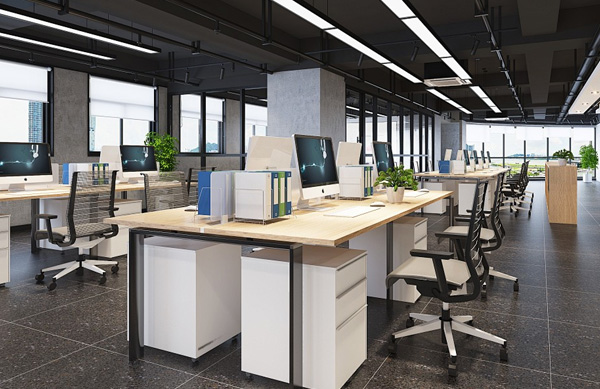
How can air purifiers improve office air?
Air purifiers mainly function in the following two aspects, and their effectiveness is supported by authoritative data: Efficient removal of particulate matter (such as PM2.5): Studies show that using an air purifier with doors and windows closed can significantly reduce the concentration of PM2.5 indoors.
For instance, in spring, turning on an air purifier for one hour can reduce the indoor PM2.5 concentration to 2% to 56% of the level before it was turned on.
In winter when the temperature difference is greater, after running for one hour, the concentration can drop to 1% - 49% of the level before starting the machine. Another research conducted by Tsinghua University also shows that turning on an air purifier can keep the indoor PM2.5 concentration at a relatively low level of around 15 micrograms per cubic meter.
· Help reduce formaldehyde concentration: For newly renovated offices, formaldehyde is a major concern. Although the technical difficulty is relatively high, choosing the right air purifier can indeed be of assistance.
The key lies in choosing products that adopt catalytic decomposition technology (which can break down formaldehyde into water and carbon dioxide), rather than models that merely rely on activated carbon for adsorption, to prevent secondary pollution caused by saturated filters.
Some laboratory tests show that a well-performing air purifier can remove over 95% of formaldehyde within one hour, and even reduce the formaldehyde concentration from 0.32mg/m³ to 0.03mg/m³ within 30 minutes.
Suggestions on how to choose and use correctly
For an air purifier to truly function effectively, the stages of selection and use are of vital importance.
1. How to read the core parameters
· Clean Air Delivery Rate (CADR) : This directly determines the purification speed of the purifier. The higher the CADR value, the faster the purification efficiency. For offices that are usually not small in size, it is recommended to choose models with a formaldehyde CADR value of no less than 400m³/h. You can estimate the required CADR value based on this formula: Applicable area ≈ CADR value × 0.1.
· Cumulative purification capacity (CCM) : This indicator represents the service life of the filter screen. The higher the CCM value, the longer the filter screen's lifespan, the lower the replacement frequency, and the more economical it is for long-term use. The highest grade in the new national standard is F4.
· Noise: The office is a quiet place for work. It is essential to pay attention to the noise indicators. When choosing a model with a lower decibel level in sleep mode or low operation, it is usually recommended not to exceed 35dB to avoid affecting work.
2. Usage skills and precautions
· Keep sealed and ventilate in a timely manner: When using the purifier, be sure to close the doors and Windows; otherwise, pollutants will keep flowing in from outside, greatly affecting the effect. However, prolonged sealing can lead to an increase in carbon dioxide concentration. Therefore, it is advisable to open the Windows for ventilation for a short period of time when the outdoor air quality is good.
· Reasonable placement: It is best to place the purifier near the area where you mainly move around (such as next to your workstation), and close the doors of other unused rooms. This can improve the air around you the fastest.
· Replace the filter screen in a timely manner: The filter screen has a service life. Once saturated, it not only fails to purify but also becomes a source of pollution. When the filter screen turns significantly black, the PM2.5 reading at the air outlet no longer drops, or the machine issues a replacement reminder, it should be replaced in a timely manner. In areas with heavy pollution, if used at high intensity, it may need to be replaced every few months.
3. Potential problems that need to be noted
· Be vigilant against secondary pollution: In addition to the filter saturation issue mentioned earlier, some purifiers that use electrostatic adsorption technology pose a risk of generating ozone. When making a purchase, you can pay attention to whether the product has a 0-ozone release test report issued by a third party.
The effect is influenced by multiple factors: The actual performance of the purifier can be affected by the size of the room, the frequency of people's activities, the opening and closing conditions of doors and Windows, etc. For instance, if someone frequently enters and exits the office, the purification effect will be compromised.
Summary
Overall, equipping an office with a suitable air purifier is a health investment worth considering. It can effectively filter out most of the particulate matter in the air for you and your colleagues, and combat the formaldehyde brought by newly renovated houses.